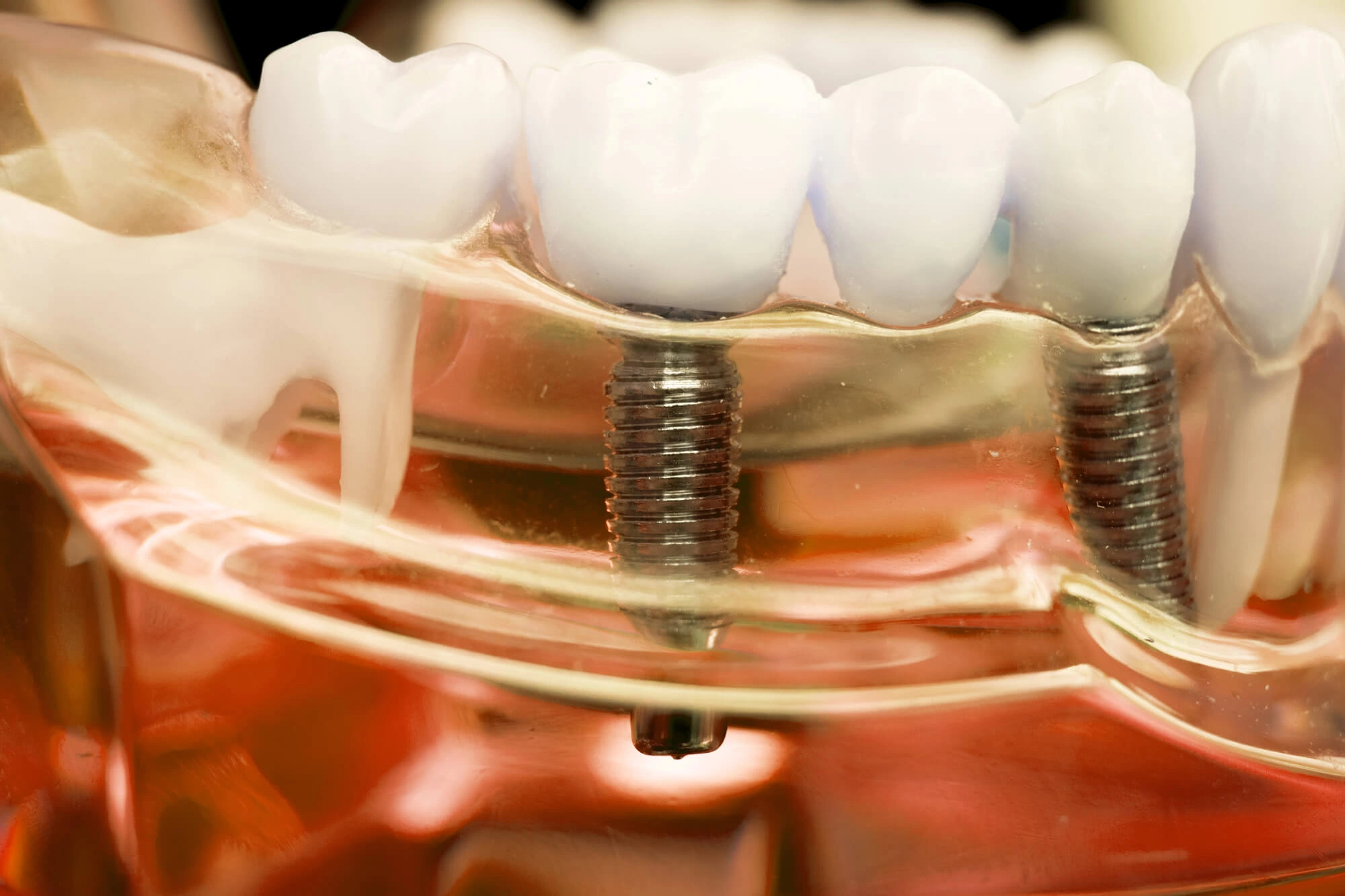
Getting dental implants in Reading, PA, is a multi-step process designed to replace missing teeth and restore comfortable function. From the initial evaluation to the final restoration, each stage plays an important role in creating a stable, natural-looking result. Understanding what happens at each step can help you feel more prepared for treatment.
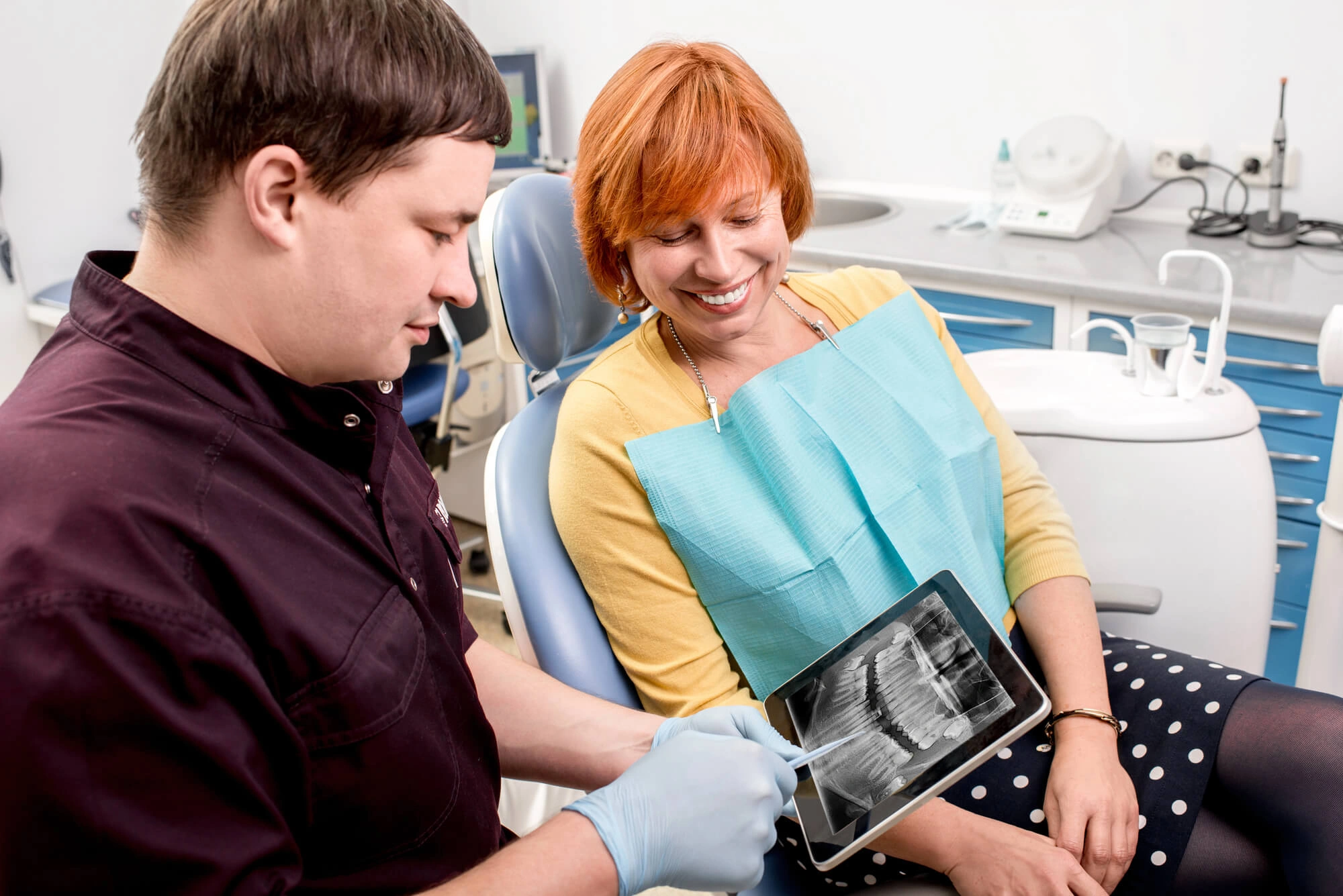
Step 1: Initial Dental Implant Consultation
The process begins with a comprehensive evaluation of your oral health and the area where the tooth is missing. Your dental provider will assess your gums, jawbone, bite, and overall suitability for an implant. Imaging may also be used to evaluate the underlying bone and determine the best position for the implant.
This appointment is also an opportunity to discuss your goals and ask questions about treatment. Your provider can explain the recommended approach and identify whether additional procedures may be needed before implant placement.
Step 2: Preparing the Mouth for Treatment
Some patients have enough healthy bone and gum tissue to proceed directly to implant placement. Others may require preparatory procedures to create a stronger foundation for the implant. Depending on your individual needs, treatment may include bone grafting or other procedures to improve the available support.
Addressing these concerns before implant placement can help establish a more stable foundation. Your dental provider will develop a treatment plan based on your specific anatomy and oral health rather than using a one-size-fits-all approach.
Step 3: Dental Implant Placement
During implant placement, the dental implant is positioned within the jawbone where the missing tooth's root once provided support. The implant acts as an artificial tooth root and provides a foundation for the replacement tooth. The procedure and recovery process can vary depending on the number of implants being placed and your individual circumstances.
After placement, the implant needs time to integrate with the surrounding bone. This process, known as osseointegration, is an important part of achieving stability before the final restoration is attached.
Step 4: Attaching the Final Restoration
Once the implant has sufficiently integrated with the jawbone, the next stage is placing the restoration. Depending on your treatment plan, this may be an individual dental crown, bridge, or another implant-supported restoration.
The restoration is designed to complement your existing teeth and help restore chewing function. Your provider will check the fit, appearance, and bite to ensure the completed restoration functions comfortably.
What Can Patients Expect During the Process?
The overall timeline varies from patient to patient because healing and preparation requirements are different. Important factors may include:
- Number of missing teeth
- Condition of the jawbone
- Gum health
- Need for bone grafting
- Individual healing time
- Type of final restoration
Following your provider's instructions throughout treatment can help support healing and protect your investment in your oral health.
Frequently Asked Questions About Dental Implants
How Long Does the Dental Implant Process Take?
The timeline depends on your oral health, healing, and whether additional procedures are needed. Your dental provider can give you a more personalized estimate after your evaluation.
Are Dental Implants Permanent?
Dental implants are designed as a long-term tooth replacement solution. Their longevity depends on factors such as oral hygiene, regular dental care, overall health, and proper maintenance.
How Do I Care for Dental Implants?
Implants should be cared for through consistent oral hygiene and regular professional dental visits. Your provider can recommend the best cleaning routine based on your restoration and individual needs.

Choose Dental Implants in Reading, PA, for Long-Term Tooth Replacement
Replacing a missing tooth involves more than simply placing an implant. Careful evaluation, treatment planning, healing, and restoration all contribute to a successful outcome. Affordable Dental Solutions can guide you through each stage and help determine whether dental implants are appropriate for your needs.
Schedule a consultation to discuss your options for restoring your smile and oral function.