
Treating a damaged or decayed tooth early can help preserve your natural smile and prevent the need for more extensive dental work. Our Reading dentists evaluate the severity of the damage to determine whether a dental filling or a dental crown is the most appropriate solution.
Understanding the differences between these two common restorative treatments can help you make an informed decision about your oral health.
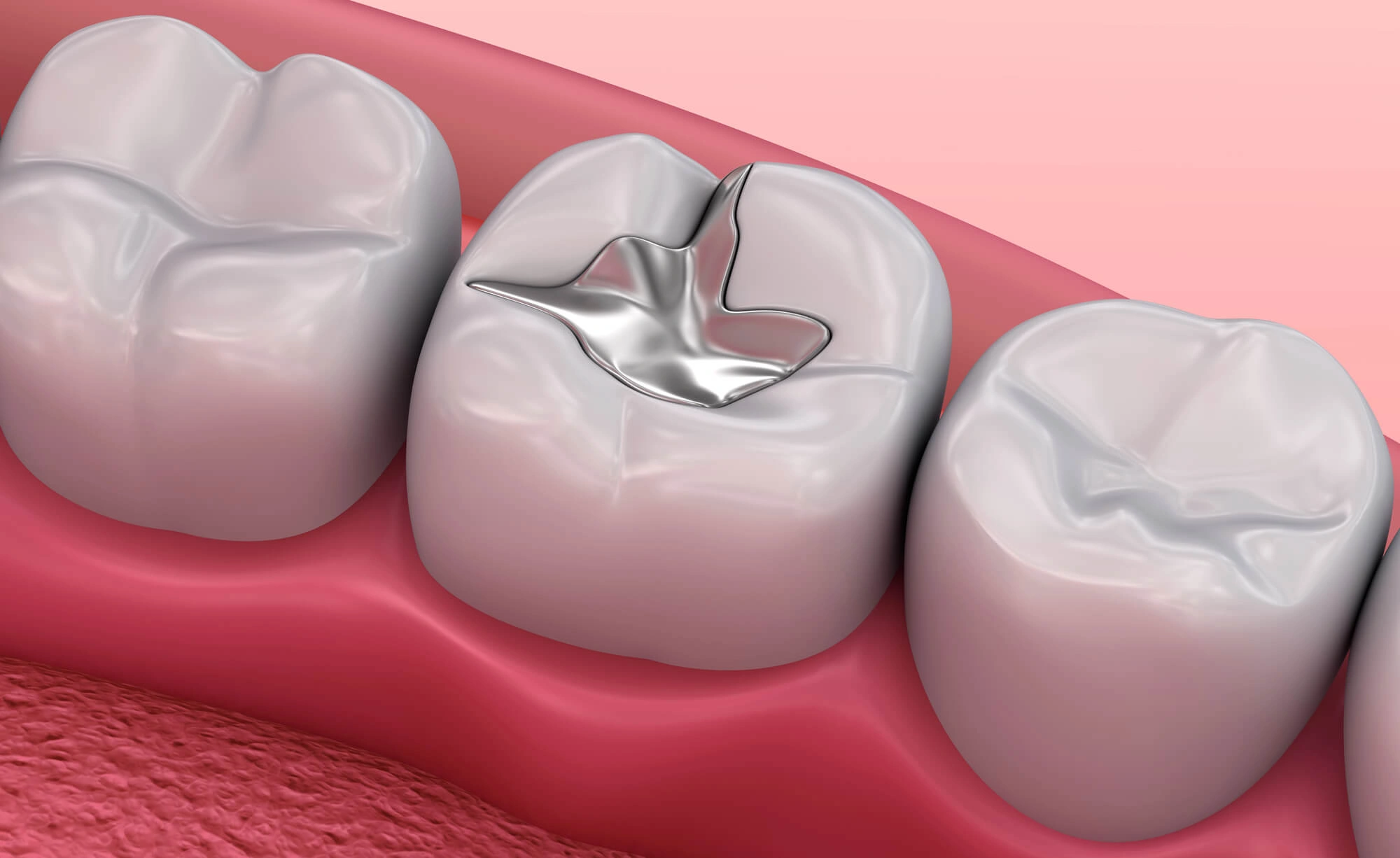
Understanding the Difference Between Fillings and Crowns
Both dental fillings and crowns restore damaged teeth. However, they serve different purposes depending on how much of the tooth has been affected.
A dental filling is typically used when a cavity or small area of damage is present. After removing the decay, your dentist fills the space with a durable restorative material that strengthens the tooth and restores its function.
A dental crown, on the other hand, covers the entire visible portion of a damaged tooth. Crowns are recommended when a tooth has extensive decay, a large fracture, or significant structural weakness that a filling alone cannot adequately support.
When Is a Dental Filling the Right Choice?
Dental fillings are often the preferred treatment for minor to moderate tooth decay because they preserve more of your natural tooth structure.
Your dentist may recommend a filling if you have:
- A small or moderate cavity
- Early-stage tooth damage
- An old filling that needs replacement
- Healthy remaining tooth structure
Receiving a filling early can stop decay from spreading and reduce the likelihood of needing more complex restorative treatment in the future.
When Is a Dental Crown a Better Option?
If a tooth has lost a significant amount of its natural structure, a dental crown may provide the strength and protection needed for long-term function.
A crown may be recommended when:
- A tooth has a large cavity
- A fracture weakens the tooth
- A root canal has been completed
- A large filling no longer provides enough support
- The tooth is at risk of breaking under normal chewing pressure
Because crowns completely surround the tooth, they help restore strength while protecting it from additional damage.
How Does Your Dentist Decide?
Choosing between a filling and a crown depends on several important factors. During your examination, your dentist carefully evaluates the condition of your tooth before recommending treatment.
They consider:
- The amount of healthy tooth structure remaining
- The size and location of the cavity
- The strength of the tooth
- Your bite and chewing forces
- Your long-term oral health goals
The goal is always to preserve as much natural tooth structure as possible while providing a durable, functional restoration.
Why Prompt Treatment Matters
Delaying treatment allows decay or damage to worsen over time. What may begin as a cavity suitable for a simple filling can eventually progress to the point where a crown—or even more extensive treatment—is needed.
Seeking treatment as soon as symptoms appear or during routine dental exams helps protect your teeth, reduce discomfort, and often saves more of your natural tooth structure. Preventive care remains one of the best ways to avoid larger restorative procedures.
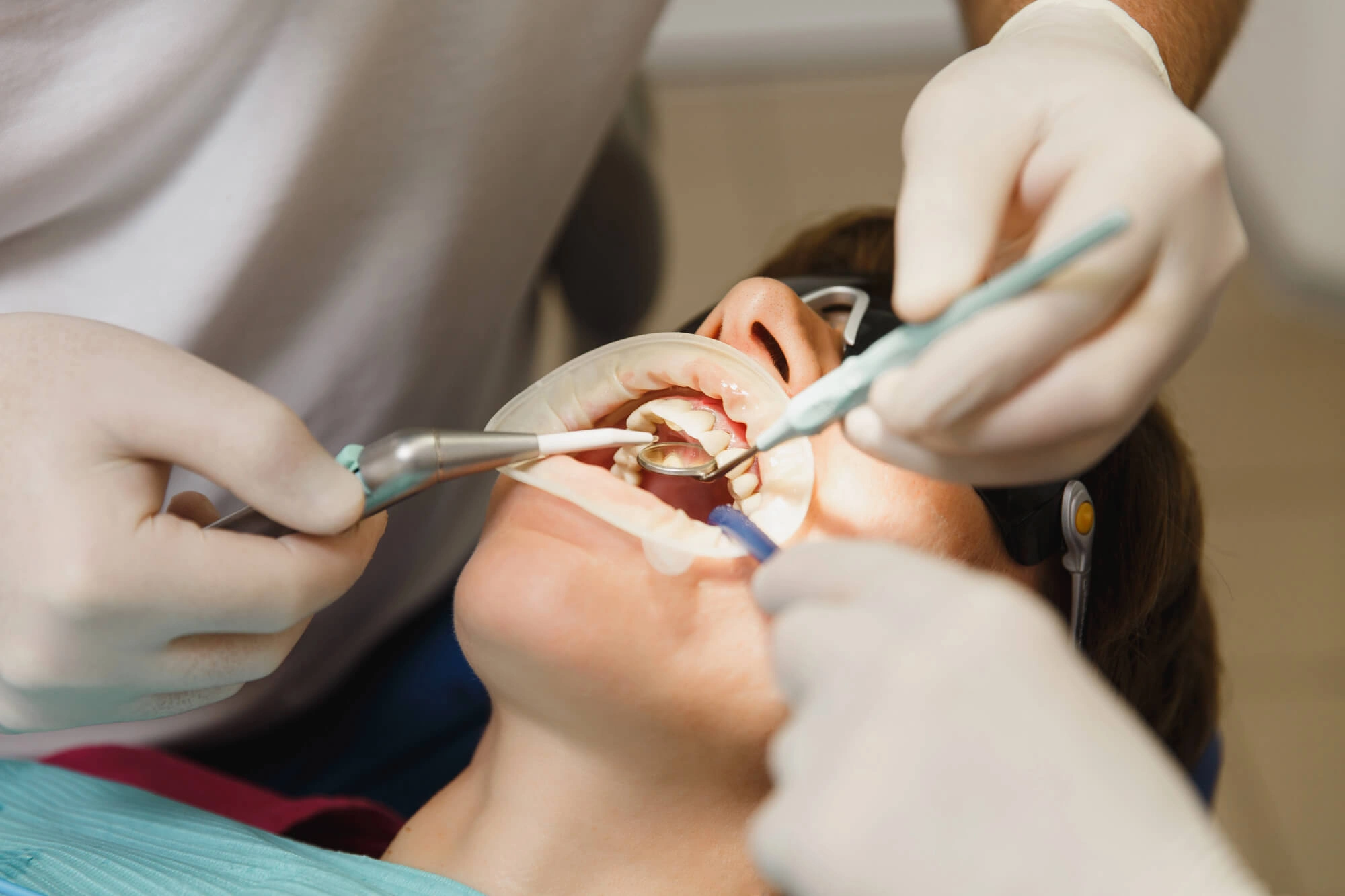
Schedule an Appointment with Our Reading Dentists Today
If you're unsure whether you need a dental filling or a dental crown, a professional evaluation can provide the answers you need. Affordable Dental Solutions in Reading, PA, offers personalized restorative care designed to preserve your smile and restore your oral health.
Schedule your appointment today to receive the treatment that's right for your individual needs.