
A root canal can help save a damaged or infected tooth when the inner pulp becomes inflamed or infected. A root canal in Reading, PA, may be recommended when decay, injury, or repeated dental procedures affect the soft tissue inside a tooth. Treating the problem early can help relieve discomfort and protect the tooth from further damage.
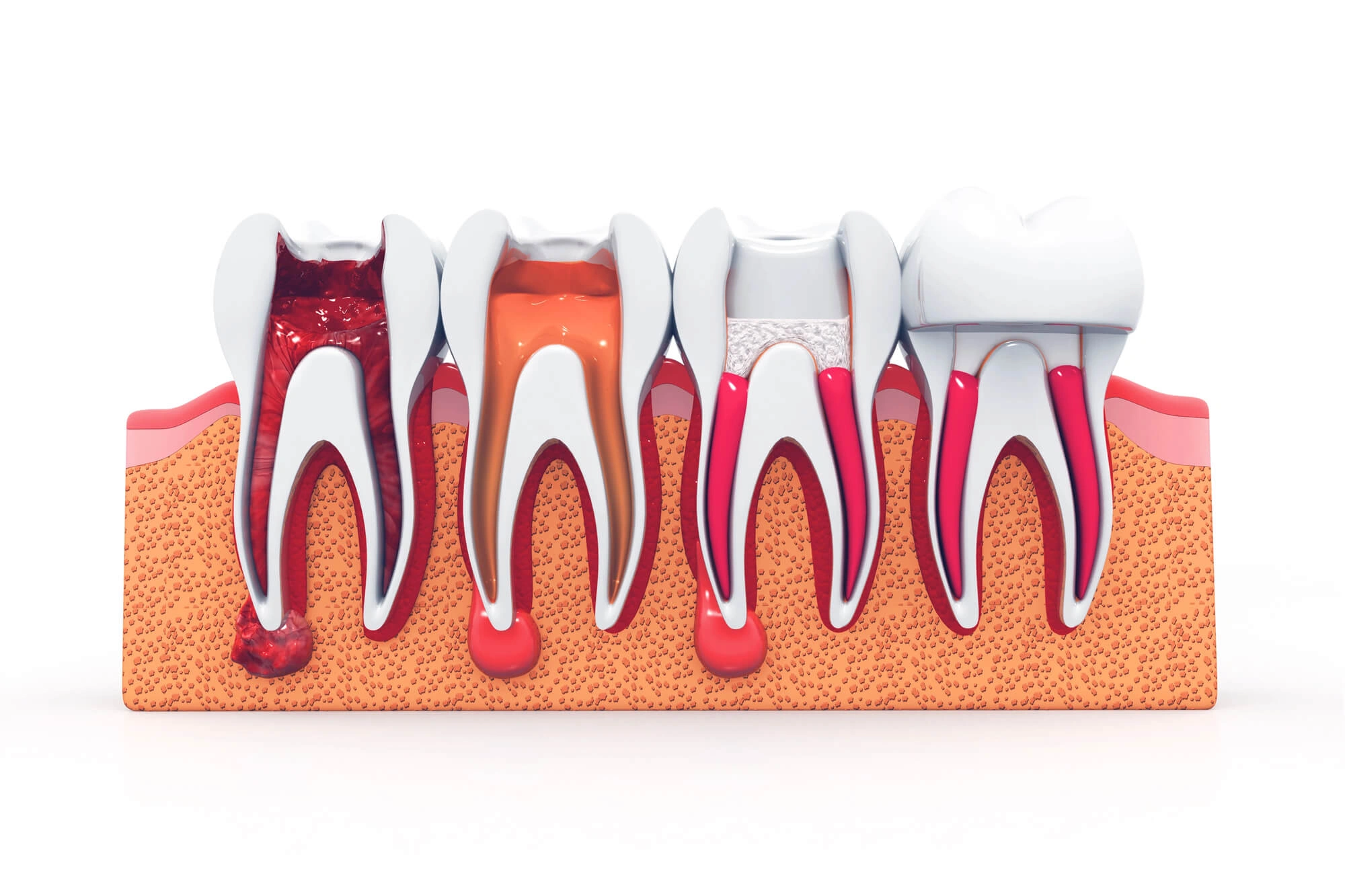
A root canal removes infected or damaged pulp from inside the tooth before the space is cleaned, disinfected, and sealed. The tooth can then continue functioning with the help of a dental restoration, such as a crown, when appropriate. Although many people associate root canals with severe pain, modern treatment is designed to make the procedure as comfortable as possible.
Signs You May Need a Root Canal
Some symptoms may indicate that the pulp inside a tooth is irritated or infected. However, symptoms can vary, and some teeth with significant damage may cause little or no discomfort. A dental examination is necessary to determine whether root canal treatment is appropriate.
Common signs can include:
- Persistent or severe tooth pain
- Sensitivity to hot or cold that lingers
- Pain when biting or chewing
- Swelling around the affected tooth
- Tender or swollen gums
- Darkening or discoloration of the tooth
What Causes Tooth Pulp Damage?
Deep tooth decay is one of the most common reasons the pulp becomes infected. A cracked or injured tooth can also allow bacteria to reach the inner portion of the tooth. In some cases, repeated dental procedures on the same tooth can contribute to pulp irritation or damage.
Can a Root Canal Save the Tooth?
In many cases, root canal treatment is performed to preserve a natural tooth rather than remove it. During treatment, the infected pulp is removed while the remaining tooth structure is carefully cleaned and sealed. Depending on the condition of the tooth, a crown or another restoration may be recommended afterward to restore strength and function.
What Should You Expect During Treatment?
Before treatment begins, the dentist examines the tooth and may use dental X-rays to evaluate the roots and surrounding structures. Local anesthesia is typically used to numb the area, helping make the procedure more comfortable. The dentist then accesses the inside of the tooth, removes the affected pulp, cleans the canals, and seals them.
After treatment, some temporary tenderness may occur as the surrounding tissues recover. Following the dentist's instructions can help support healing and protect the treated tooth. If a permanent restoration is recommended, completing that step can help restore the tooth's function and provide additional protection.
When Should You See a Dentist?
Tooth pain that continues or repeatedly returns should not be ignored, especially when it occurs with swelling, sensitivity, or discomfort when chewing. A dental professional can determine whether the symptoms are related to an infected pulp or another dental condition. Early evaluation may provide more treatment options and help prevent the problem from becoming more extensive.

Schedule Your Evaluation for a Root Canal in Reading, PA
If you have persistent tooth pain, sensitivity, swelling, or other concerning symptoms, schedule a dental evaluation to determine what is causing them. Early treatment can help address infection and protect your natural tooth when root canal therapy is appropriate.
Affordable Dental Solutions in Reading, PA, can evaluate your tooth and discuss the treatment options that best fit your dental needs.